Biofuel industry news
Published over 14 years ago. See the latest and most current information on Biofuel industry news.
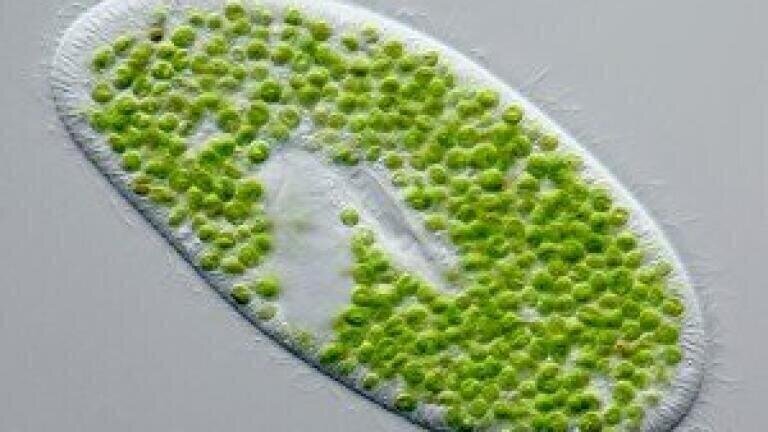
Algae has become a forerunner in the ever-expanding industry that is biofuels, and as more attention is turned to the tiny plant organisms, Peter Jones from the Scotsman has conducted a biofuel analysis discussing the pros and cons of adopting the renewable fuel.
A 2010 study by Southampton University and the Indian Institute of Petroleum researchers revealed that, in terms of production, algae produced biofuels were certainly leading the way. They found that corn is the least efficient producer of oil, yielding 70 litres per acre. Rapeseed does a little better, producing 480 litres per acre while the oil palm yields an impressive 2,400 litres.
However, algae is capable of producing, depending on the variety, between 23,500 and 55,000 litres of oil per acre. This is a significant advantage over other methods, particularly considering the strains on food production which can be caused by using natural produce such as corn. A warm summer in the US in 2012 has highlighted the shortfalls of this method of production.
The other big advantages of algae-produced biofuels is that they thrive on pollution. Most of the nutrients algae needs to grow and breed is nitrogen, potassium, and phosphorus. These can all come from sewage. Additionally, they need a lot of the pollutant carbon dioxide which can be pulled out of the atmosphere.
All this makes you wonder why we are not harvesting algae until our hearts (and cars) are content. But there are several downfalls to using the naturally produced plant organisms. One is that when algae grows fast, they don’t produce much oil. This means that all our efforts are now being centred into genetically modifying them to be fooled into producing more oil.
There is also a cost factor, with the American military recently finding that large quantities of algafuel cost between $133 and $425 per gallon, which is clearly ridiculously expensive. Some researchers believe they can do this for a scratch of that cost, but real results have yet to be seen.
Overall, the benefits of algae production will outweigh the costs, and it is likely to be only a matter of time before we see full-scale production.
Posted by Lauren Steadman
PIN 27.4 Aug/Sept 2026


 Product directory


.jpg)
























.jpg)