Researchers in Norway have developed new enzymes that could unlock the door to allow some unlikely ingredients to add to the
biofuel composition of the future.
The novel enzymes have tentatively been named oxidohydrolases and, according to the scientists at the Norwegian University of Life Sciences, are "totally new".
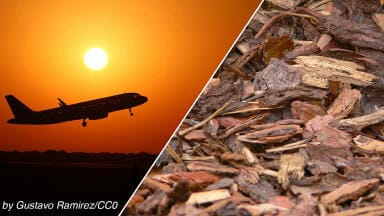
By using them to break down materials previously not suitable for use in fuel production, they claim future
biofuel composition could include forestry waste and even prawn shells.
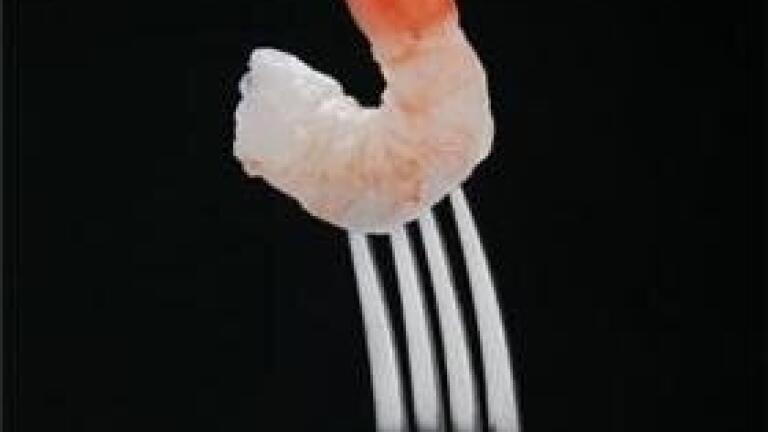
"Our research team has discovered a totally new type of enzyme which helps break down cellulose and other robust sugar polymers in biomaterials - such as chitin, found in prawn shells," says Gustav Vaaje-Kolstad, one of the researchers.
The potential benefits not only include a broader range of raw materials, but also the ability to move away from using food crops to produce biofuels.
Research at the university is undertaken on an interdisciplinary basis, with particular focus on business development, aquaculture, biotechnology, food science and environmental sciences.


 Product directory


.jpg)




















.jpg)