Analytical instrumentation
Published over 2 years ago. See the latest and most current information on Analytical instrumentation.
Current GC methods for the analysis of liquefied gases use a rotary valve to inject a liquefied gas sample into a Gas Chromatograph (GC). A new approach applies the Liquefied Gas Injector (LGI) to inject gas samples under pressure in liquid form directly into a GC using electrical solenoids on a time basis. This direct injection offers several benefits over the use of rotary valves: it eliminates the need for evaporation of the liquid gas and also avoids discrimination or adsorption. As a result a better repeatability is achieved and a variable injection volume is allowed.
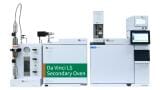
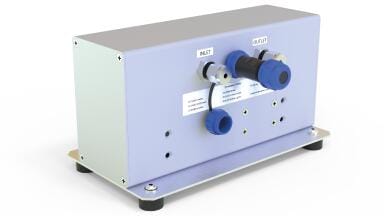
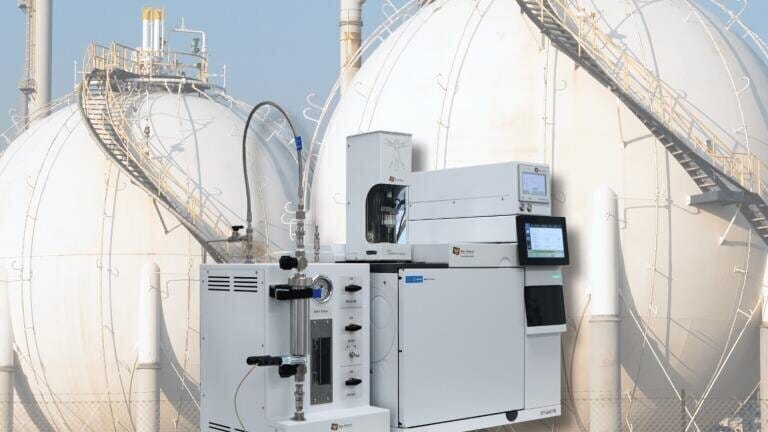
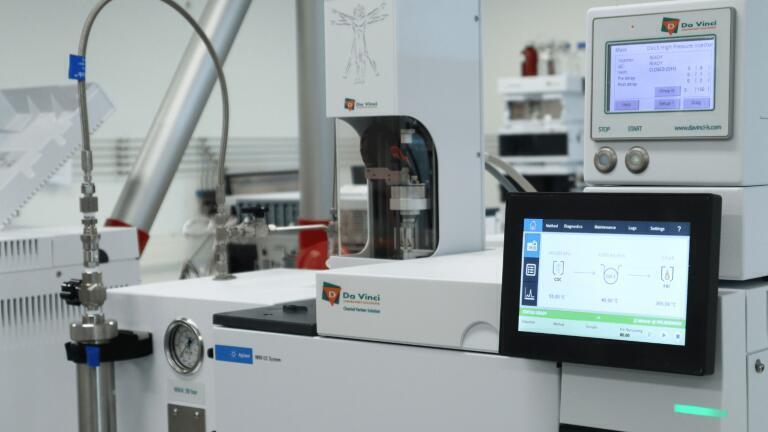
The setup of the LGI analysis consists of an Agilent gas chromatograph (GC) on which the Liquefied Gas Injector and its controller are installed. A Pressure Station is used for safe and accurate sample introduction of LPG.
The LGI directly injects the liquefied gas into the GC inlet to ensure the safety and the full transfer of the impurities onto the GC column. The chromatographic analysis is based on boiling point separation of the impurities.
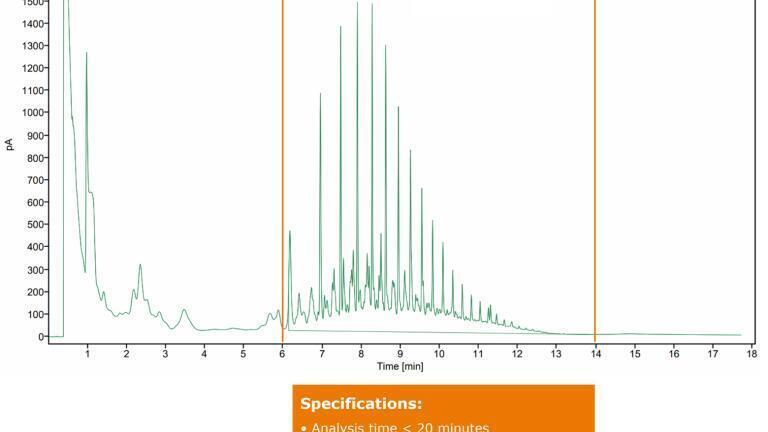
The result is reported in mg/kg and detection limits of <0.1 mg/kg for individual impurities in liquefied gases are easily achieved using the LGI. The analysis of the impurities in LPG is completed within 20 minutes.
The Liquefied Gas Injector technique is standardised as the ASTM D7756 and EN 16423 method for the analysis of oily residue in LPG. The LPG fuel specification lists the D7756 as an alternative to the stain method.
Apart from residue analysis the LGI can be used for various liquefied gases under pressure such as:
On September 14th, 2023 Agilent conducted a webinar on the new approach using the Liquefied Gas Injector. The speaker: Lou Cheng of Da Vinci explains the need for liquefied gas analysis, the available test methods, the principles of injection and sample introduction when using the LGI. Finally he shows some examples of LGI applications. Register here to listen to a recorded webinar on the Injector or contact us.
PIN 27.4 Aug/Sept 2026

 Product directory


.jpg)









.jpg)

.jpg)

.jpg)

.jpg)