Measurement and testing
Published over 13 years ago. See the latest and most current information on Measurement and testing.
The production of unconventional gas trapped in shales (thermogenic gas, generated from the breakdown of organic matter trapped in the shale when it formed, as a result of heating during progressive burial of the formation) has proved very successful in the United States, leading to substantial reductions in prices to consumers, reduced reliance on imports, and providing essential baseload electricity generation capacity to support renewable but discontinuous energy sources. But this has not been without controversy and environmental problems. The potential development of such resources in other parts of the world must learn from the American experience.
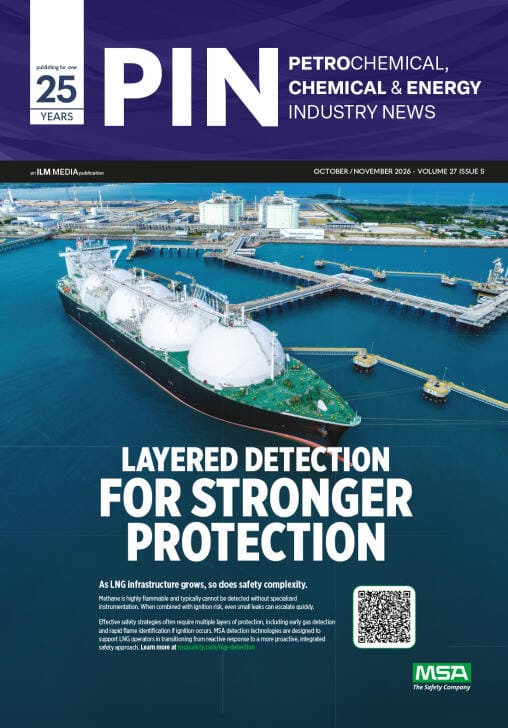
PIN 27.5 Oct/Nov 26

 Product directory


.jpg)











.jpg)