Measurement and testing
Published over 8 years ago. See the latest and most current information on Measurement and testing.
For decades, the presence of organic bonded chloride has been a relevant parameter for refinery and petrochemical processes. The challenges in recent years for the instrumental determination of chloride, have been the increasing need of a matrix independent method and an ever decreasing detection limit. Why is chloride such an important parameter and which benefits does Oxidative Combustion Microcoulometry offer?
The Importance of Monitoring Organic Chloride Content
Refineries convert crude oil into all kinds of petroleum products varying from fuels up to the residual bitumen. Presence of chloride in crude oil may result in catalyst poisoning and corrosion of process units which have a negative impact on the profitability as well as the reliability and safety of the refinery. Chlorides in the refining process are difficult to control, especially the organic chlorides. They cause various forms of corrosion at different temperatures and pressure levels, downstream of the distillation unit. Besides the corrosive effects, chloride also deteriorates the quality of the final product.
How to Detect (Organic) Chloride Components?
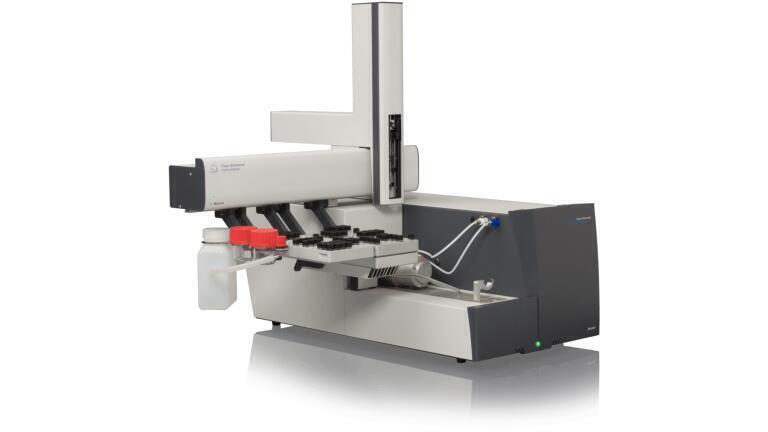
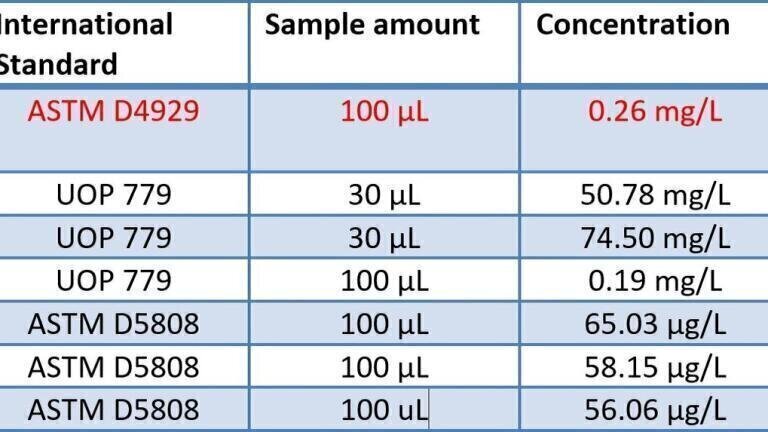
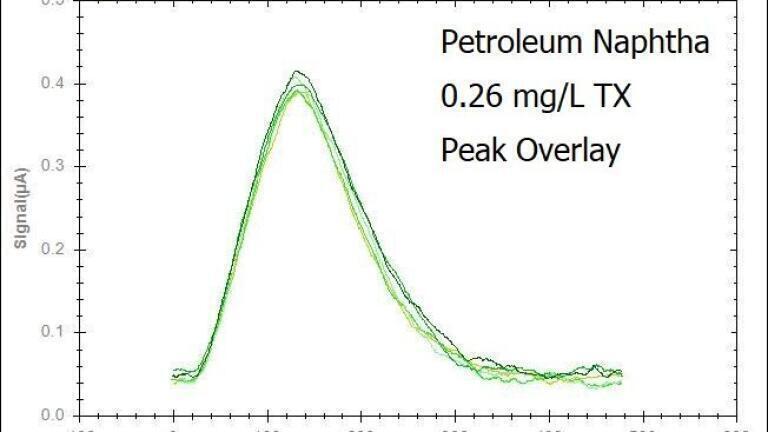
There are multiple international standards that specifically focus on the analysis of (organic) chloride, often expressed as Total Chloride (TX), in crude oil, intermediates and final products of the refining unit. Oxidative combustion microcoulometry is the benchmark technique to which multiple international standards refer. One of the benefits of oxidative combustion microcoulometry is that all (organic) chloride components are converted to hydrochloric acid (HCl). The most popular international standard to measure the organic chloride content are: ASTM D4929, UOP 779 and ASTM D5808. Table 1* demonstrates the capabilities of TE Instruments’ XPLORER-TX while analysing samples according to these international standards. *(Please refer to image A for table 1)
Oxidative Combustion Microcoulometry Compared with other Techniques
Recently, XRF related techniques present themselves as alternatives to measure chloride in petroleum products. When compared, we notice that microcoulometric detection has numerous benefits:
PIN 27.5 Oct/Nov 26


 Product directory


.jpg)















.jpg)









.jpg)