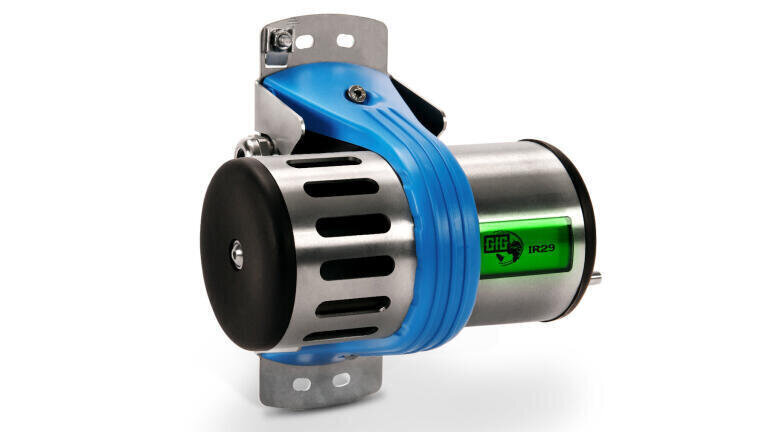
Gas detector
Published over 2 years ago. See the latest and most current information on Gas detector.
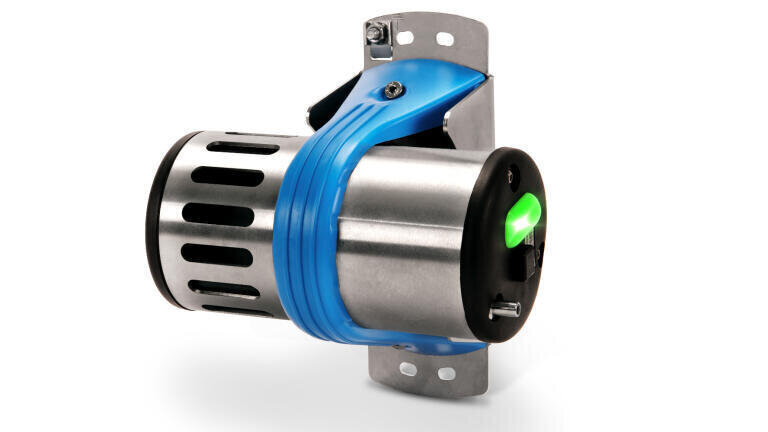
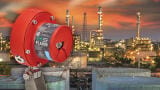
GfG’s IR29 series of transmitters safely monitors the concentration of combustible gases, even in Ex zones. It will send the values it detected to a controller for real-time evaluation so evacuations and safety protocols can be initiated quickly in case of emergencies.
Portable gas detectors and fixed gas detection systems are used to monitor the concentration of dangerous gases and vapors. They are essential for guaranteeing the safety of anybody working in areas where gas dangers may occur and are legally required in many countries.
The IR29 is certified for use in potentially explosive areas and its high durability and reliability are appreciated across many different areas of application and industries, including the automobile industry, in CHPs or in purification plants.
To guarantee your safety, GfG uses only components of the highest quality and technologies that have been extensively tested.
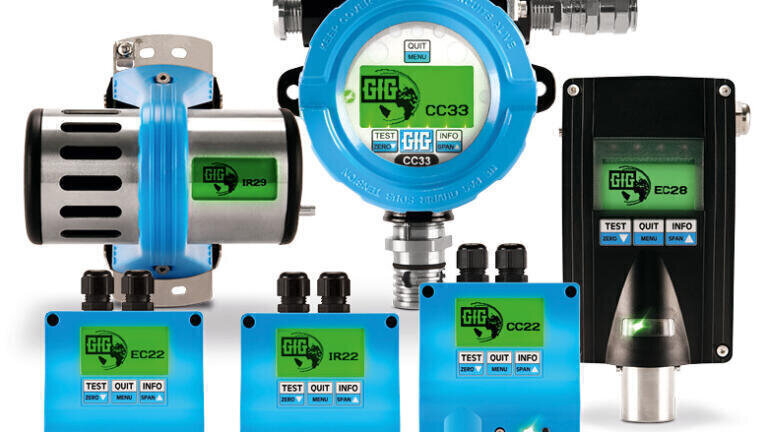
The IR29 series consists of several different types of transmitters, ensuring you will find one that suits your specific situation. While the basic version of the IR29 is perfectly adequate for many applications that require monitoring of combustible gases in Ex zone environments, you might want to customize your transmitter to adapt to the requirements and conditions of your application.
It is available in these different versions:
They detect gases and vapors using non-dispersive infrared (NDIR) sensor technology. Our patented 4-beam and 4-wavelength technology with gold-plated mirror optics is used to ensure selective measurement results and prevent false alarms.
Long-life sensors, an automatic temperature compensation and the linearization of measurement signals make the IR29 a reliable and highly accurate solution for detecting a wide range of combustible gases and vapors within the measuring range of 0 to 100 % LEL.
A housing made of V4A stainless steel and poly-carbonate protects the electronics against ingress of dust and water (protection class: IP67).
Communication options are important for gas detection systems, as it is essential that information is transferred efficiently, even in challenging situations.
All IR29 versions can transfer data on the 4-20 mA industry standard signal, but the B and BD models also come with an additional Modbus interface. For this aspect, too, you can choose whichever works for your application.
An integrated data logger records measured values, average values and alarms of the last 24 hours. Average, maximum and minimum values can also be visualized as a graphic on all IR29 models featuring a display.
For more information on the IR29 or any other GfG product as well as advice on setting up a holistic gas detection system, please do not hesitate to contact one of our experts. They will be glad to assist you in designing a custom-tailored solution
PIN 27.5 Oct/Nov 26


 Product directory


.jpg)











.jpg)