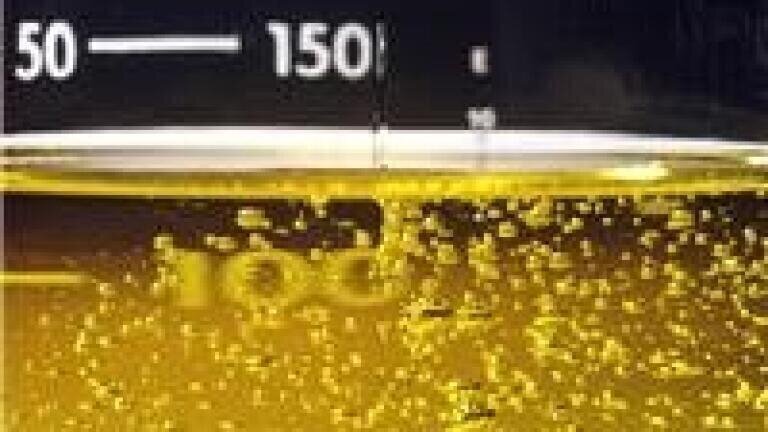
Oil may seem like an unlikely source of
biofuel, given the focus on alternatives such as wood pellets, biomass and anaerobic digestion.
However, researchers at the University of Leeds believe they may have found a way to make efficient
biofuel out of waste cooking oil.
The development could mean that left over chip fat becomes a carbon-neutral source of fuel for future generations.
As part of a two-stage process, a nickel catalyst is used to create nickel oxide in a phase that raises the temperature of the oil by 200 degrees C from a starting point of 650 degrees.
The resultant high-temperature mixture of catalyst, oil and steam reacts to produce hydrogen and carbon dioxide - which can be absorbed to avoid harmful emission from the process.
"We are working towards a vision of the hydrogen economy," says project leader Dr Valerie Dupont.
Rachel Cary, senior policy adviser at the Green Alliance, recently suggested that development of new
biofuel options is needed as first-generation sources may not carry the efficiency levels required to address air quality problems in the places where they are used.


 Product directory


.jpg)
























.jpg)