Analytical instrumentation
Published over 7 years ago. See the latest and most current information on Analytical instrumentation.
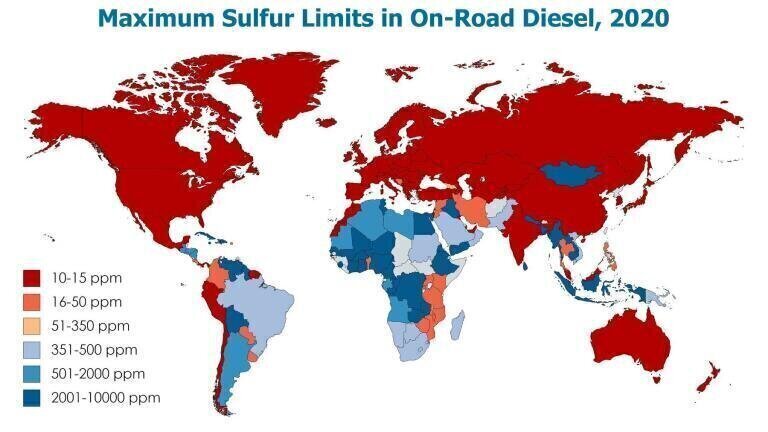
The presence of sulfur in fuels is problematic because it leads to air pollution through emissions of sulfur dioxide, which easily reacts with other substances to form harmful compounds such as sulfuric acid, sulfurous acid, and sulfate particles. Sulfur is also a barrier to dealing with climate pollution from diesel engines. Black carbon associated with diesel combustion can be controlled using diesel particulate filters which is required by Euro 5 and 6 emissions standards, but these devices are only effective with low, or ultra-low sulfur fuels.
Countries outside of Europe, the United States and Japan have largely patterned their emissions policies on European regulations and associated mandates for low-sulfur fuels. Leading to the (scheduled) implementation of emission standards similar to the EURO norms in countries such as China, India, Brazil, Malaysia, and Mexico. Both the EURO 5 and 6 mandate a maximum limit of 10 ppm sulfur in gasoline and on-road diesel (ULSD).
The global implementation of ultra-low sulfur fuels creates a demand for accurate sulfur analysis at trace level according to international test methods such as ASTM D5453, ISO 20846 or SH/T 0689. The specification limit of 10 ppm must be monitored by refineries during production and blending of fuels and commercial testing labs. Commercial testing labs are often located at strategic positions, where lots of transshipment of fuels takes place. Some of these sites even operate on a 24/7/365 basis, making it extremely important to have reliable instruments delivering accurate results in a short amount of time. Downtime or inaccurate analyses can have major consequences.
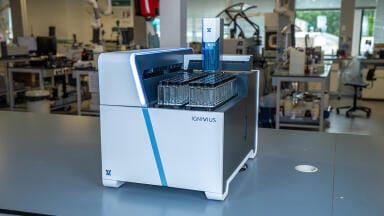
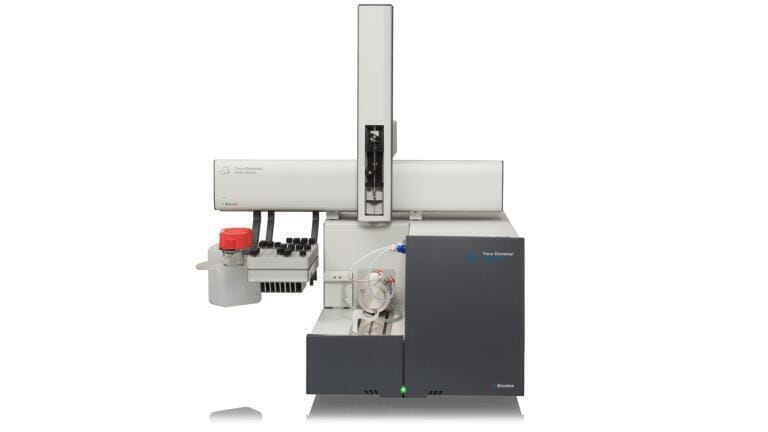
The XPLORER Series elemental combustion analysers are recognised as a premium solution for the analysis of ultra-low sulfur in fuels. The low detection limit enables Sulfur analysis with extreme precision, down to ppb level. Visit our website to download related application data or contact TE Instruments to find out how we can fit your needs in low sulfur analysis.
PIN 27.4 Aug/Sept 2026


 Product directory


.jpg)










.jpg)

.jpg)