
Synthetic fuels
Published over 3 years ago. See the latest and most current information on Synthetic fuels.
With more than 1.4 million combustion engine cars currently in circulation, many experts maintain transitioning to a global EV fleet is implausible. While electric vehicles do have enormous potential, barriers like supply chain issues, lack of charging infrastructure and poor mileage have prevented the technology from taking off.
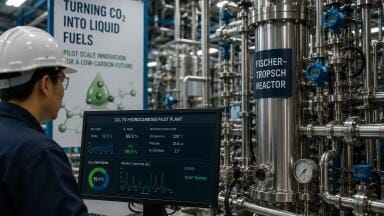
What’s the solution? Instead of slowly electrifying the transport sector, some analysts say synthetic fuels can step up as an affordable and eco-friendly solution. Unlike electric motors which can only be installed in new vehicles or retrofitted into existing cars, synthetic fuels are a ‘drop-in’ replacement. They share the same chemical properties as fossil-derived fuels and as a bonus, the manufacturing process actively removes CO2 from the atmosphere. This means synthetic fuels are not only convenient but carbon neutral.
The technology has received widespread praise from both environmental analysts and combustion engine enthusiasts. Electric motors may be ecofriendly but for many people, they don’t have the same appeal as high-powered combustion engines. Interest from luxury auto giants like Ferrari, Porsche and De Tomaso confirms that as far as manufacturers are concerned, keeping the combustion engine alive is a top priority.
Synthetic fuel isn’t just for cars. At the Worcester Polytechnic Institute, researchers have developed a net-zero aviation fuel. The innovative method extracts CO2 from the atmosphere and could emerge as a long-term solution for decarbonising the aviation industry. The team used advanced computation analysis and modelling to develop the formula, which features high concentrations of magnesium hydride.
"We found this fuel would have up to 8% more range than other today's jet fuel, and more than two to three times longer range than liquid hydrogen or ammonia which other researchers have proposed as sustainable fuels," said Jayachandran.
So, can synthetic fuels replace fossil fuels? While the answer is technically yes, it’s not so much a question of can but will. Synthetic fuels do have the potential to replace their fossil-derived counterparts, though big investments in technology and infrastructure are required to make the transition.
The buzz surrounding synthetic fuels hasn’t stopped companies from exploring new combustion engine technologies. In the face of issues like lack of synthetic fuel manufacturing infrastructure and EV supply chain issues, many analysts say internal combustion engines will remain relevant. Find out more about the latest advances, including exciting developments like hybridisation, hydrogen fuel and homogeneous charge compression ignition, in ‘Latest Trends in New Internal Combustion Engines’.
PIN 27.4 Aug/Sept 2026


 Product directory


.jpg)























.jpg)