Measurement and testing
Published over 3 years ago. See the latest and most current information on Measurement and testing.
FuelTrust, has recently published a report exposing discrepancies in the bunker fuel sector. Utilising cutting-edge AI-based technology, FuelTrust's research uncovers unethical practices and fraudulent activities related to bunkering.
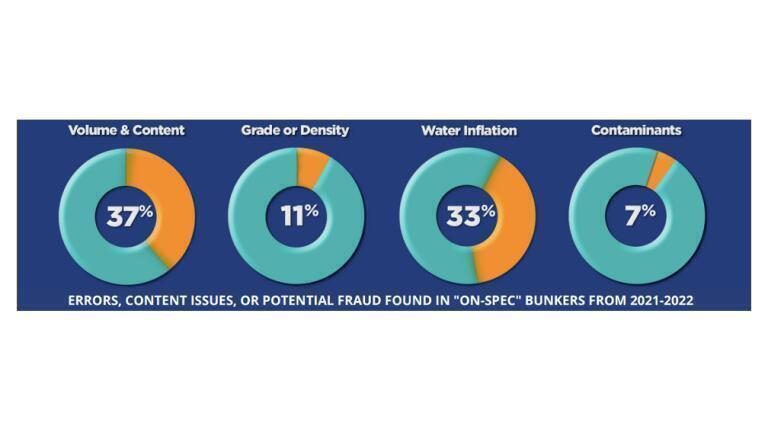
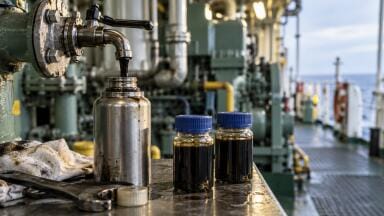
The analysis conducted by FuelTrust reveals that during the period between 2021 and 2022, more than 39% of global bunkers displayed a significant fuel content difference of 2% or more compared to the quantities stated in their delivery documentation. The key issue identified was the introduction of water into the fuels during the transportation from onshore storage tanks to the ship's bunker tank. Although the water content remained below the regulated threshold, it led to an average loss of $14,910 per affected delivery, impacting vessel owners, charterers, and fuel suppliers.
The lack of transparency in the maritime fuel market has been an ongoing concern. Bunker fuels constitute over 50% of a vessel's operational expenses, making fraudulent practices and inadequate supply chain management highly detrimental to profitability. A recent incident of fuel contamination in Houston resulted in eleven ships losing propulsion, affecting over 100 vessels at once.
Even fuel that meets specified quality standards, known as "on-spec," encounters volume or content problems, resulting in financial losses or engine issues. Over the past year, approximately 600 vessels faced problems due to fuel-related issues despite being considered "on-spec," leading to estimated global supply chain losses exceeding $5 billion. Detecting and making claims against such losses has proven to be a challenge for both fuel suppliers and shipowners.
FuelTrust's approach, driven by AI technology, aims to establish a trusted fuel ecosystem through transparency and traceability, particularly in the maritime sector. This approach provides visibility into the final outcomes of fuel products, enabling fuel suppliers to validate their offerings, while fuel buyers can counter fraud, minimise losses, and reduce environmental risks.
Jonathan Arneault, CEO and Co-Founder of FuelTrust, emphasised the significance of transparency highlighted by their research across the global bunkering market. By offering visibility, traceability, and security throughout the fuel supply chain, FuelTrust enhances operational efficiency, reduces environmental impact, and fosters trust among all stakeholders.
Arneault also stressed the importance of better insights into fuel supply chains for ship owners, bunker suppliers, and charterers, especially in light of the recent contamination case. Improving information on the fuels used is a fundamental aspect of any serious greenhouse gas (GHG) reduction strategy.
PIN 27.4 Aug/Sept 2026


 Product directory


.jpg)










.jpg)





.jpg)