Analytical instrumentation
Published over 7 years ago. See the latest and most current information on Analytical instrumentation.
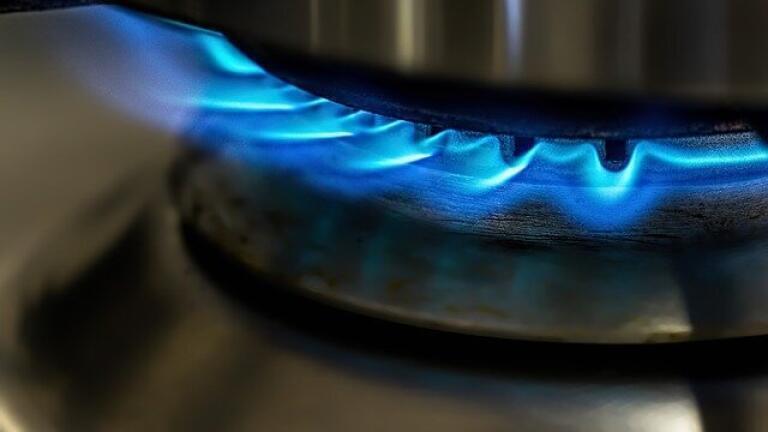
While liquified petroleum gas (LPG) and liquified natural gas (LNG) both exist as gases at normal temperature and pressure points, and share similar names and acronyms, they are also unique in their own right. Read on for an introduction to the pair and an overview of the major similarities and differences.
Also known as propane or butane, LPG is highly flammable and composed of a mix of hydrocarbon gases. It's readily available around the world and is lauded as a clean, energy efficient and portable fuel with an affordable price tag. Primary uses for LPG include powering heating appliances and cooking equipment, as well as fuelling vehicles. Currently, most LPG is sourced from natural gas and oil production activities. However, in the wake of new technologies and techniques, LPG is also being increasingly produced from renewable sources.
LPG is rapidly gaining popularity, as explored in the recent Global Liquefied Petroleum Gas (LPG) Cylinder Market 2019-2023 report distributed by Technavio. The London based market research and advisory company predicts that increased use of LPG across a diverse range of applications will boost demand and see the global market for LPG cylinders exceed US$313 million by 2023.
LNG describes natural gas that has been chilled to liquid form. This process transforms natural gas into a non-pressurised material that's safe, easy and cost effective to transport and store. It occupies around 1/600th the volume of natural gas, making it a space efficient alternative. LNG is colourless, odourless and non-toxic which earns it eco-friendly credentials. It's also non-corrosive, making it the fuel of choice for operating sensitive and expensive equipment and machinery.
For more information on the rapidly growing LPG industry, and how researchers and engineers are overcoming challenges, don't miss 'A new analytical procedure for water content in LPG', which introduces a new analytical procedure and offers expert commentary from Karl Robertson, Dr. Michael Hahn and Dorit Wilke.
PIN 27.4 Aug/Sept 2026


 Product directory


.jpg)









.jpg)
.jpg)