Analytical instrumentation
Published over 7 years ago. See the latest and most current information on Analytical instrumentation.
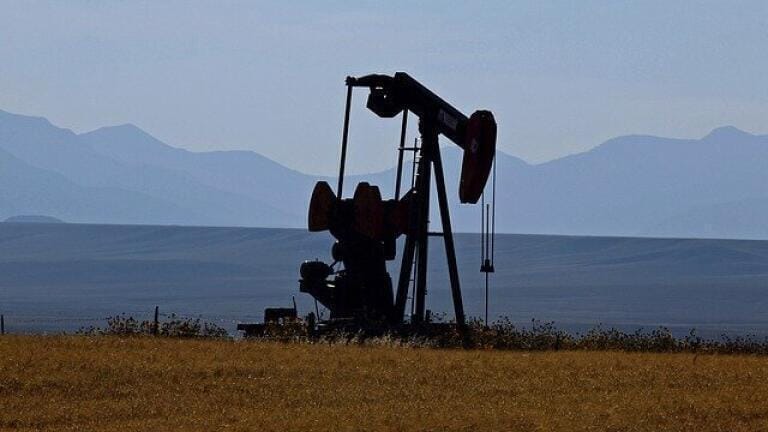
While fracking was once hailed as the future of the US energy market, new data reveals that oil wells aren't meeting expectations. The findings come from an analysis of thousands of shale locations drilled over the last five years and suggest that many wells fail to meet the projected output advertised to investors.
Critics have slammed companies for painting an "illusory picture" of fracking prospects and are now questioning both the resilience and long-term profitability of the fracking boom that propelled the US into a global oil and gas superpower.
After punching in data from around 16,000 wells operated by over two dozen shale producers in Texas and North Dakota, analysts found that initial forecasts advertised by companies were significantly higher than total lifetime productivity estimates. Leading energy consulting firms have backed the findings, with recent data from Rystad Energy AS suggesting that collective projections are 10% higher than originally forecast. This represents a loss of roughly one billion barrels of oil and gas over a period of 30 years, or the equivalent of US$30 billion if the resource continues to trade at current prices. While 10% was the average, some companies overestimated by as much as 50%.
The new data has put a dampener on the US shale market, which recently shot to an all-time high of 11.5 million barrels a day. Not only did the boom provide a serious boost to the national economy but it also challenged the geopolitical balance by elevating US production to similar levels as energy giants like Russia and Saudi Arabia.
Shale drillers could also feel the sting in the face of negative attention, with many already under pressure to slash spending in the wake of a 40% drop in crude oil prices since October 2018. This includes Permian Basin leaders like Pioneer Natural Resources Co. and Parsley Energy Inc, which both lag when it comes to projected forecasts.
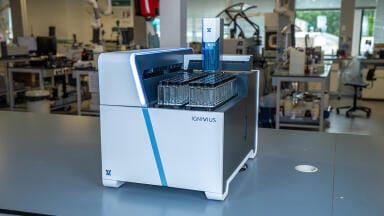
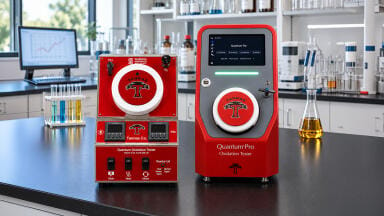
In the face of price instability, productivity is front-of-mind for oil producers operating heavy machinery. Introducing the latest hybrid scanning and simultaneous ICP-OES instruments, 'Analysis of In-Service Oils Following ASTM D5185 with ICP-OES/AES' explores how in-service oil samples in accordance with ASTM method D5185 can be used to maximise uptime.
PIN 27.4 Aug/Sept 2026




 Product directory


.jpg)










.jpg)

.jpg)