The importance of Safety Integrity Levels and Functional Safety in Gas and Flame Detection.
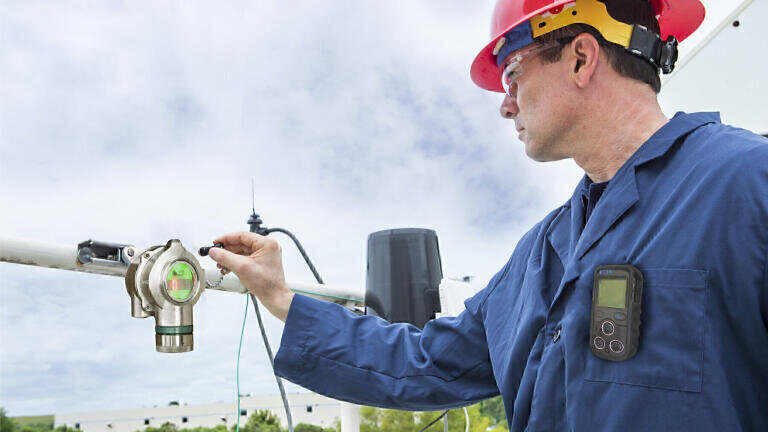
Gas and flame detection plays an essential role in reducing the hazards associated with toxic and flammable gases.
SIL and Functional safety are extremely important parameters to consider in the design, construction, specification, and installation of a gas and flame detection system.
Safety Integrity Limits or SIL are related to the broader topic of Functional Safety.
The term SIL is intended to represent the level of risk-reduction that a safety system can achieve. SIL is a way of quantifying the impact and reliability of a system that performs a safety function.

Stephen B. Harrison is the founder and managing director at sbh4 consulting in Germany. The safe use of toxic and flammable gases is a fundamental pillar of his consulting practice. With a background in industrial gases including 27 years at BOC Gases, The BOC Group and Linde Gas prior to becoming an independent consultant, Stephen has intimate knowledge of a diverse range of gases from a technical and operational perspectives.

Experienced product manager for the global Teledyne Oldham Simtronics product line with a background in Integrated and Engineered Solutions, Product Management, Programme & Project and Sales Team Management. Gas and Flame Product Expert in Oil and Gas, Petrochemical & Chemical, Energy and Power Generation, Food and Beverage applications. Worldwide certifications experiences and member of the French Committee “CLATEX”, equipment intended to be used in potentially explosive atmosphere.

Tom has 35 years of experience in the petroleum industry, specialising in the delivery of forensic and problem solving /method development capabilities for BP Fuels and Lubricants businesses globally. He was also a member of the BP Science Council representing Analytical Science and led a BP wide Analytical Science network.Tom has published over 30 citable papers, 4 book chapters and has given over 60 presentations at conferences. He is a past Vice President of the Royal Society of Chemistry (RSC) Analytical Division and a past Chairman of the RSC Separation Science Group. In addition, Tom is a recipient of the Silver Jubilee Medal by the Chromatographic Society and a technical achievement award by the Energy Institute.
PIN 27.4 Aug/Sept 2026


 Product directory













.jpg)