Swiss materials science and technology institution Empa has seen
biofuel testing conducted as part of an attempt to work out the precise benefit that the next generation of energy sources could have for the country as a whole.
Empa researcher Rainer Zah conducted the
biofuel testing, focusing on next-generation sources of energy.
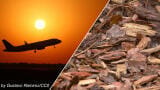
These include power produced through the use of waste products, including off-cuts of wood, sawdust and green waste.
Former biofuels were derived from crops grown especially for the purpose, but were less efficient as not all of the crop could be used, Empa adds.
The researcher says: "If the available biofuels were used to power long-distance traffic, then we would save not just eight per cent of fossil fuels but, thanks to more energy-efficient vehicles, as much as 15 per cent."
This figure could rise to 40 per cent, he adds, if short-distance traffic moved to a focus on electrically powered vehicles, with renewable energy sources such as solar used to provide the necessary power to recharge their batteries.



 Product directory