Analytical instrumentation
Published over 18 years ago. See the latest and most current information on Analytical instrumentation.
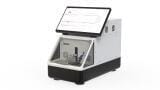
Managing the Total Sulphur content in basic and finished refinery products is highly important to increase the productivity and efficiency of the processes employed within refinery operations. The lifetime of specific catalyst materials used within the refinery process is very much dependent on the sulphur content of the typical process stream. An accurate and reliable sulphur content determination is required in order to optimize the blending capabilities and increase uptime of the refinery operation, thereby saving enormous amounts of money. The production of low sulphur diesel fuels (ULSD) involves the use of a cetane improver, which helps to boost the cetane number. The cetane improver is often called 2-ethylhexyl-nitrate (2-EHN) and it is capable of considerably increasing engine power.
PIN 27.2 Apr/May 2026



 Product directory